
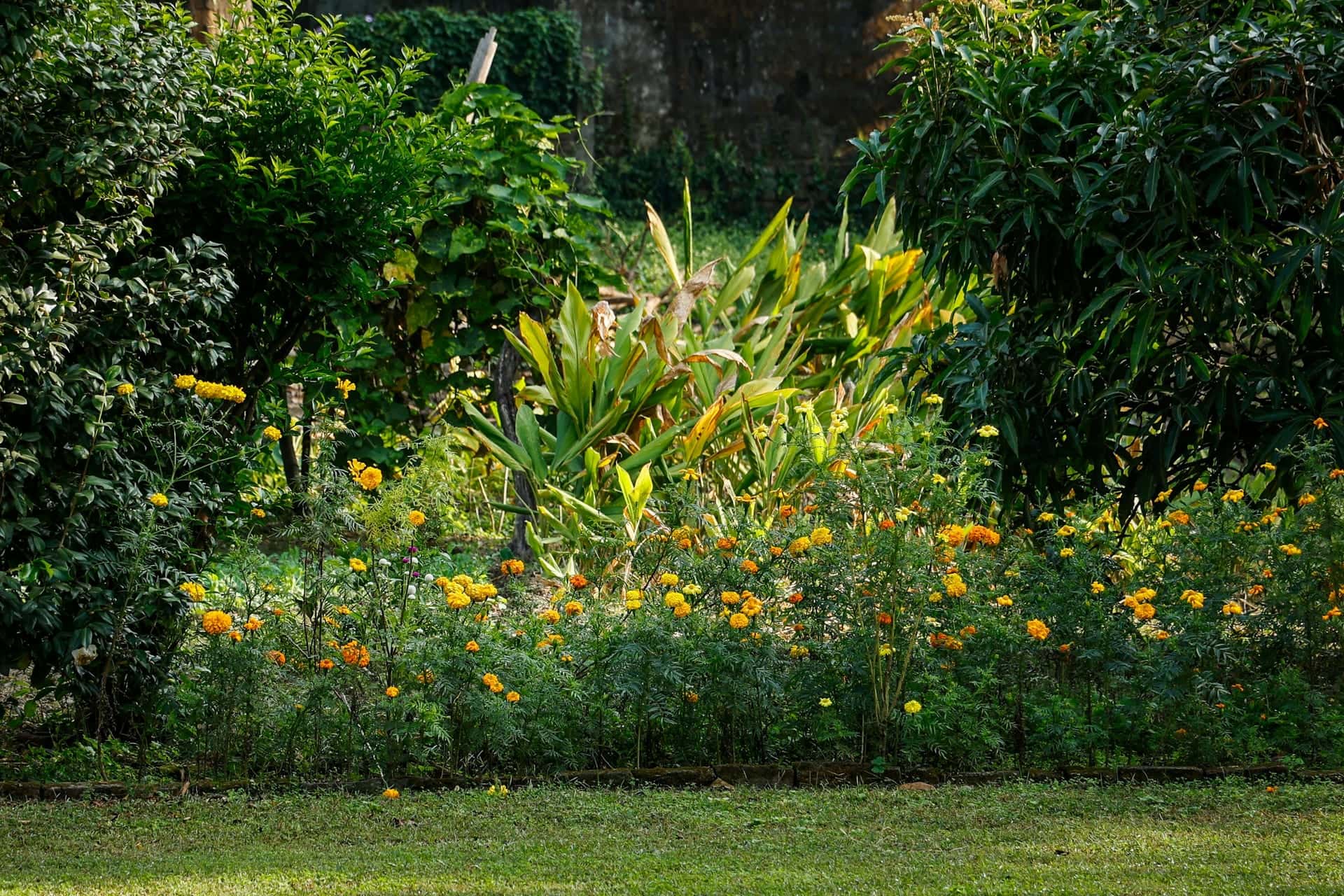
$25,000–$40,000 · 3 weeks
Prairie front yard, New Braunfels
East of I-35, off Walnut Avenue, New Braunfels · finished 2025 · led by Jen Alvarez
Site walks are free, 45 minutes, on your property.
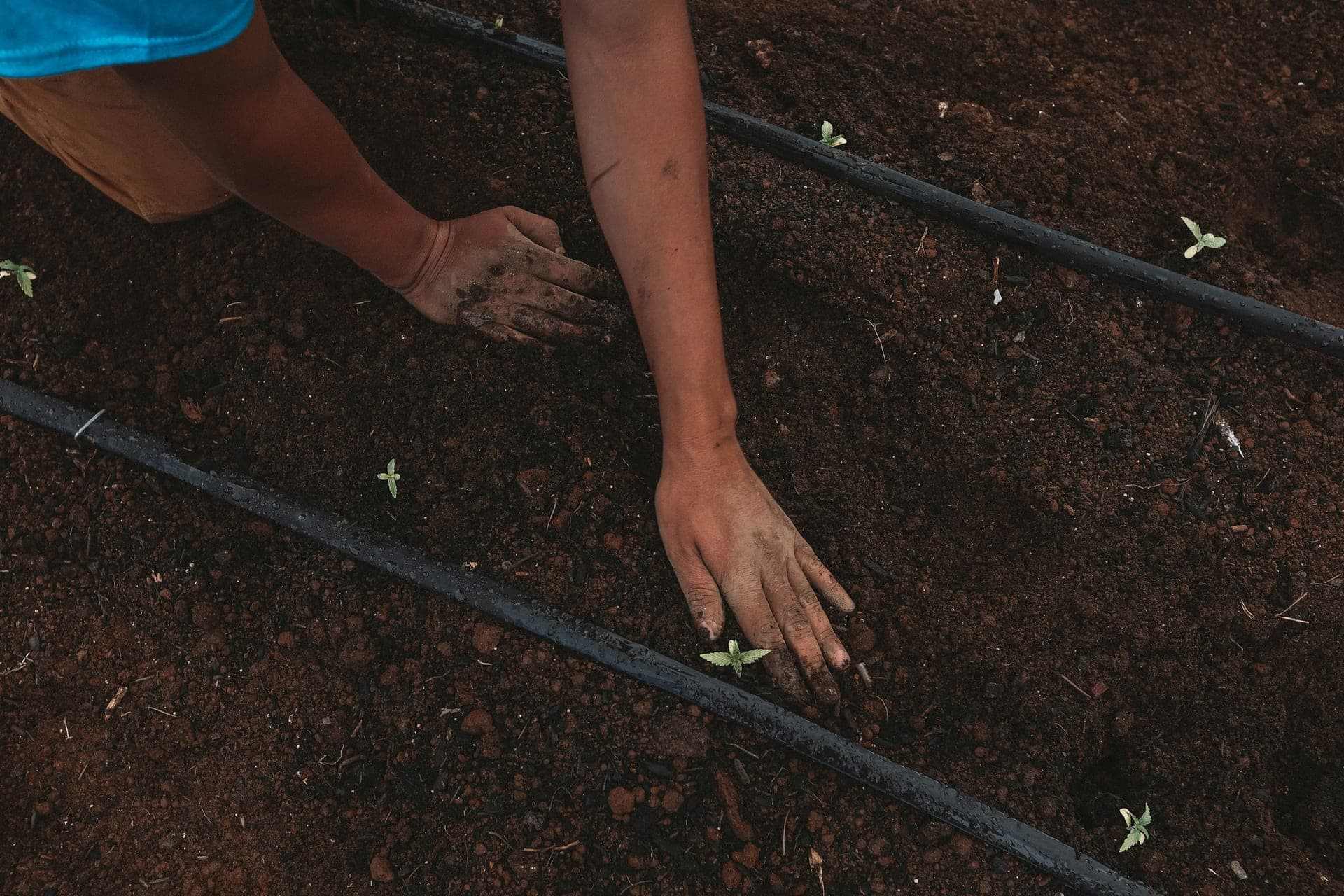
Irrigation and Drainage · from $650–$1,400 per zone
Drip irrigation puts water at the roots, slowly, where it soaks in instead of running off or evaporating in the air. For planting beds and trees, it uses a fraction of the water a spray head does and keeps leaves dry, which means fewer fungal problems on plants like Turk's cap and salvias.
Texas licensed irrigator LI 0024817
We install inline drip tubing with pressure-compensating emitters, laid in a grid under mulch so every plant gets water. Each drip zone has its own filter and pressure regulator, and runs on its own controller program, separate from any turf.
Who it's for
Every planting bed we install gets drip. It's also the most common upgrade for existing systems: converting spray zones that water beds, sidewalks and the side of the house into drip zones that water only the plants.
Drip matters most when cities restrict watering. Under many utilities' drought rules, drip has more allowance than sprinklers, so your beds can keep getting water when the lawn can't.
Materials and options
| Component | What it does | Why it matters |
|---|---|---|
| Inline emitter tubing, 0.6–0.9 gph | Waters beds in a grid | Even coverage under mulch |
| Pressure-compensating emitters | Same flow at any pressure | Works on slopes and long runs |
| Disc or screen filter | Catches grit | Prevents clogged emitters |
| Pressure regulator, 25–30 psi | Drops line pressure | Stops blowouts and leaks |
| Flush valves and indicators | Clear sediment, show pressure | Easy yearly maintenance |
What it costs
$650–$1,400 per zone
to convert spray to drip; new beds $1.20–$2.50 per sq ft
Converting an existing spray zone to drip runs $650 to $1,400 depending on bed size and layout. Drip in new beds costs $1.20 to $2.50 per square foot as part of the planting install. A typical front yard with three bed zones converts for $2,500 to $3,800.
Timeline
Most drip conversions take one to two days.
Drip runs longer than spray, often 45 to 90 minutes, because it applies water slowly. In the first summer after planting we run beds two or three times a week; once plants are established, most native beds need water every week or two in summer. We set the controller and leave a written schedule that tells you when to back it off.
Case study
A dead St. Augustine front yard on blackland clay replaced with native prairie beds, a dry creek bed for the downspouts and three drip zones.
Read the case study“The water bill last August was about a third lower than the year before, and the creek bed handled the May storms without a drop on the walk. Neighbors stop to ask what the pink grass is.”
$25,000–$40,000 · 3 weeks
East of I-35, off Walnut Avenue, New Braunfels · finished 2025 · led by Jen Alvarez
Questions
Not often, with a filter and a yearly flush. We install flush valves at the end of each run and show you how to open them in spring.
Under mulch is best. Under rock and granite, emitters are hard to find for repairs. In xeriscapes we run drip to planting pockets rather than across whole rock areas.
Yes. Texas requires backflow prevention on irrigation systems connected to a public water supply. If yours is missing or failed its test, we install or replace it.
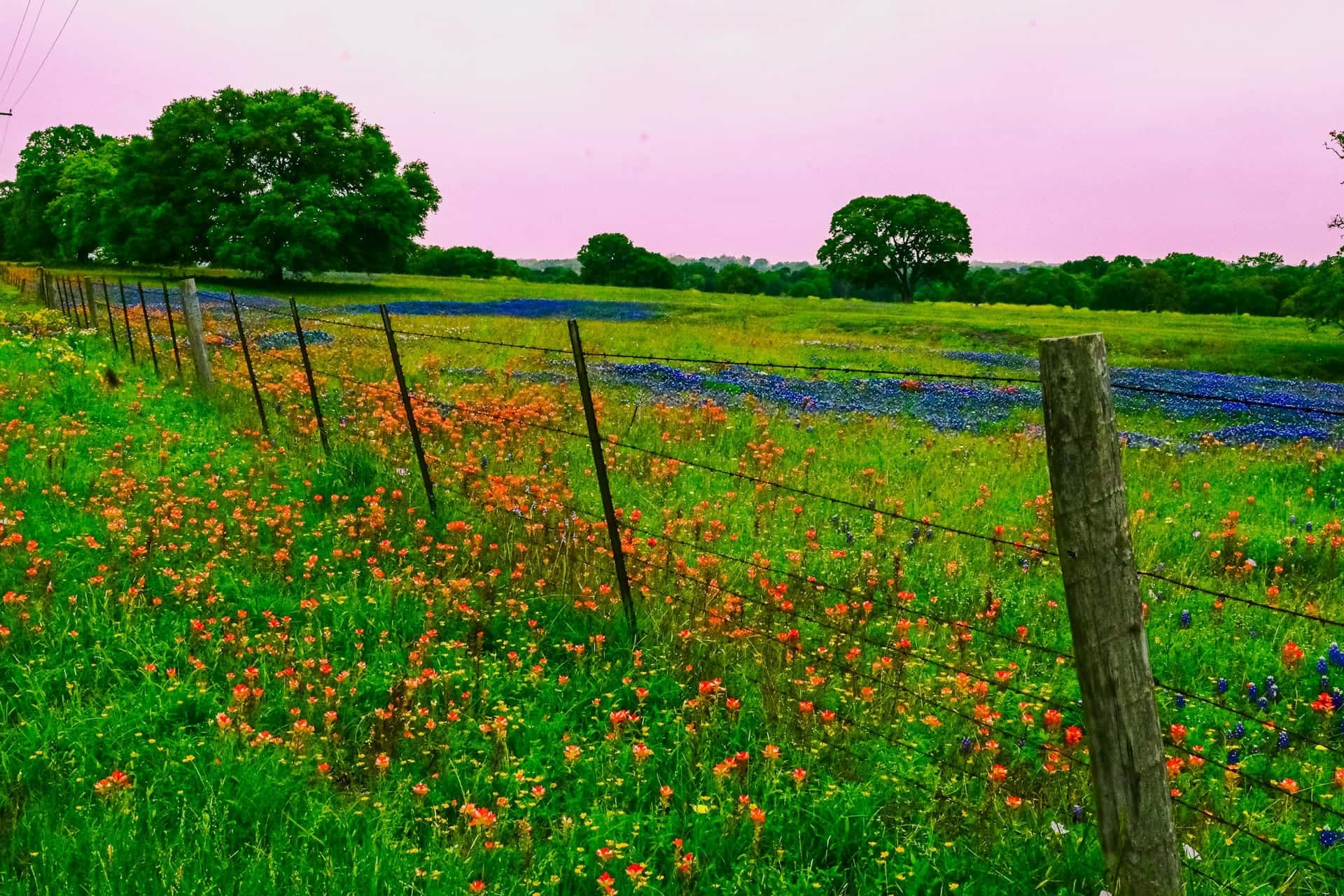
Free · 45 minutes · no obligation
Forty-five minutes on your property with a designer. You'll leave with honest numbers and a clear next step. A fixed-price proposal with a 3D render follows within two weeks.