
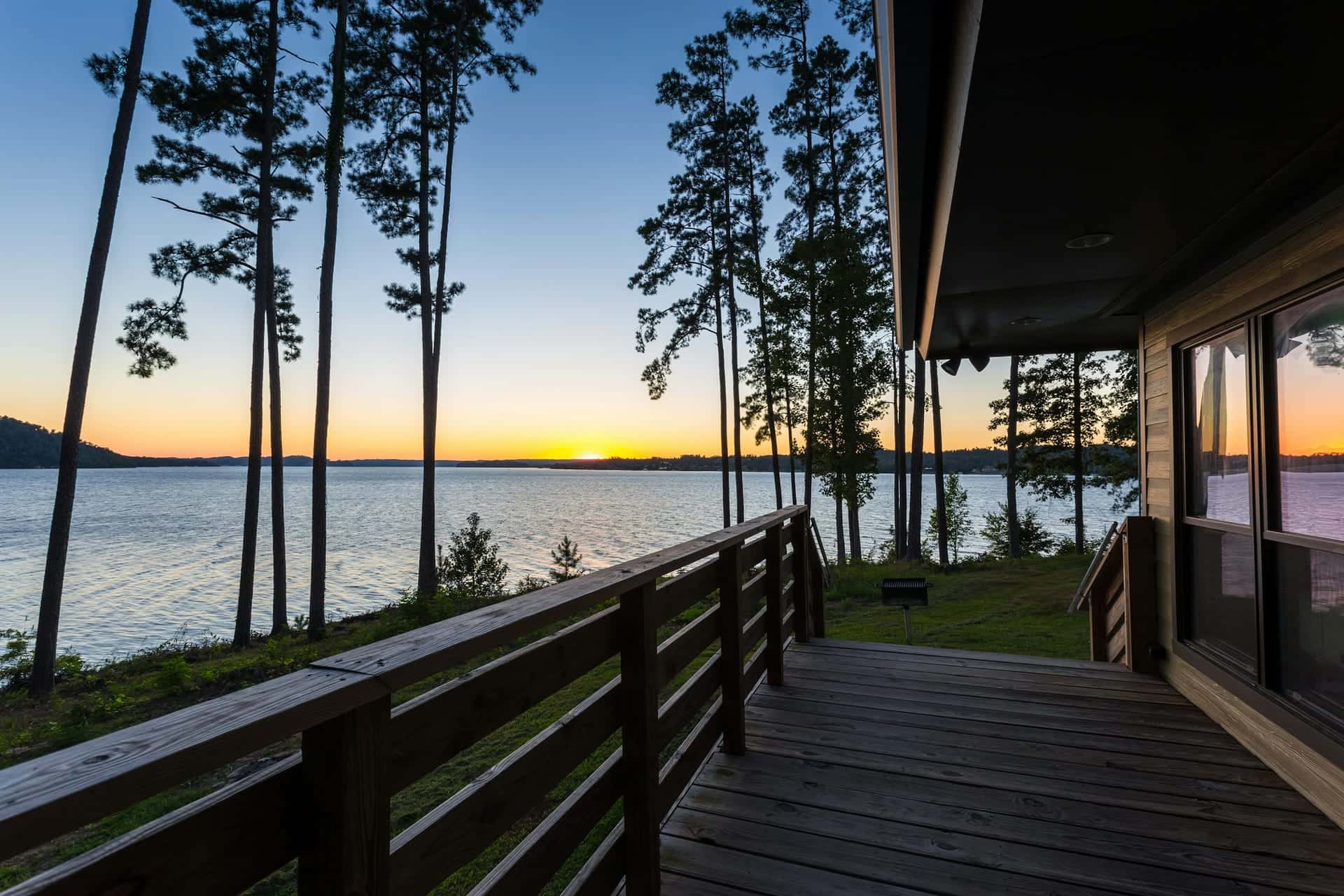
$70,000–$100,000 · 8 weeks
Terraced lake hillside, Canyon Lake
North shore, Canyon Lake · finished 2023 · led by Danny Ochoa
Site walks are free, 45 minutes, on your property.
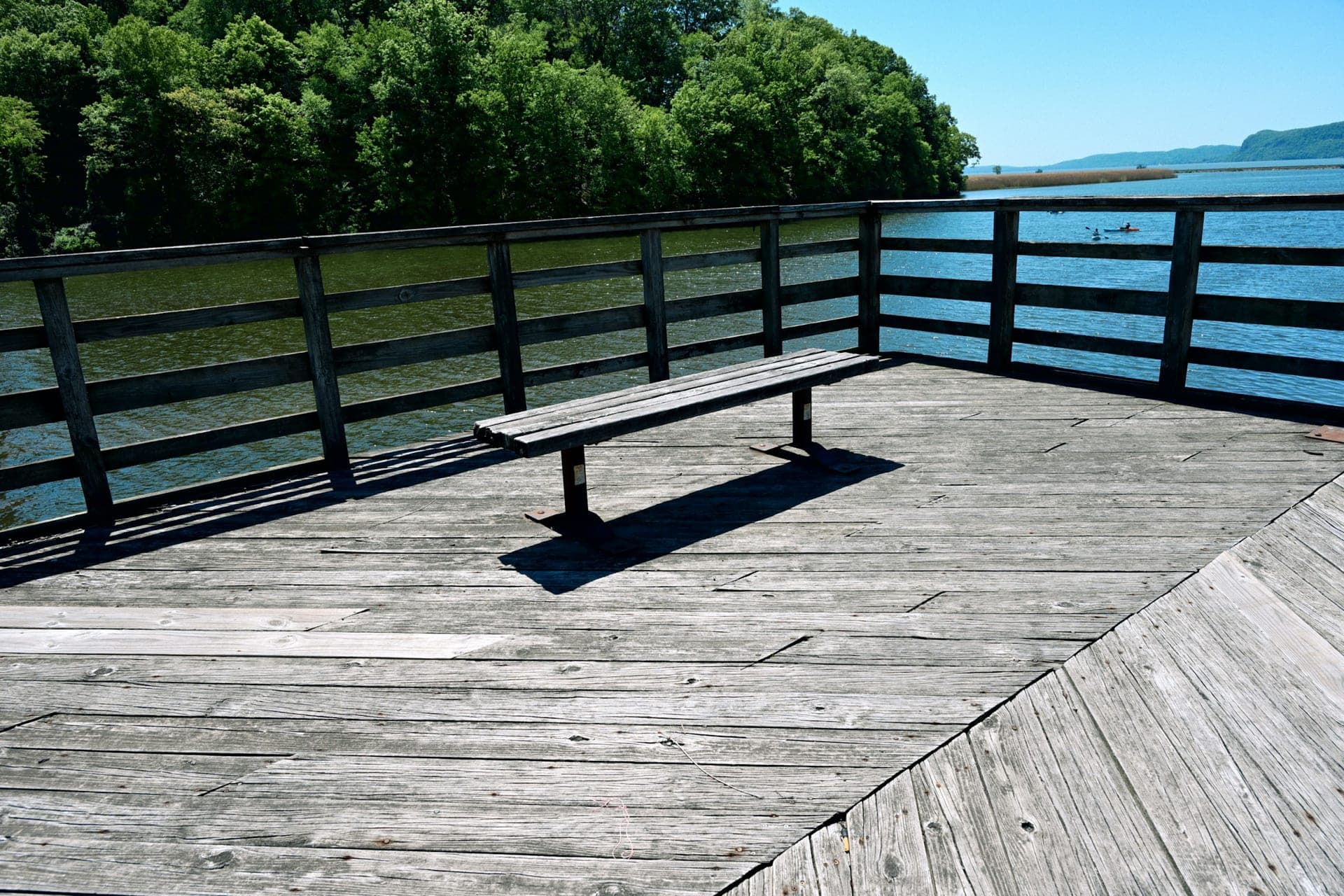
Outdoor Structures · from $45–$85 per sq ft
On a flat lot, a patio usually makes more sense than a deck. On a slope, a deck is often the only way to get a level outdoor floor without building tall retaining walls. That's why most of the decks we build are on hillsides in Canyon Lake, Boerne and Helotes, where the view is the point.
We frame decks in pressure-treated lumber rated for ground contact, set on concrete footings below grade, with joist hangers, structural screws and flashing at the house. Decking is cedar, ipe or capped composite, and railings are cedar, steel or cable to keep the view open.
Who it's for
Homes on sloped lots where the back door sits well above the yard. Lake houses that need a level space facing the water. Older decks with soft boards, loose rails or rusted connectors that need rebuilding before someone gets hurt.
Materials and options
| Decking | Lifespan | Upkeep | Installed cost |
|---|---|---|---|
| Western red cedar | 15–20 years | Stain every 2 years | $45–$60 per sq ft |
| Capped composite | 25–30 years | Wash yearly | $55–$75 per sq ft |
| Ipe hardwood | 30+ years | Oil yearly or let gray | $70–$85 per sq ft |
| Cable railing | Long | Retension occasionally | $95–$140 per linear ft |
What it costs
$45–$85 per sq ft
installed, including footings, framing and decking; railings extra
Most decks cost $45 to $85 per square foot installed, before railings. A 16-by-20-foot composite deck about 4 feet off the ground typically lands between $19,000 and $25,000 plus railing. Taller decks on steep slopes cost more because of longer posts, bracing and equipment access.
Timeline
Most decks take two to four weeks on site after permit.
Any deck more than 30 inches above grade needs a guard at least 36 inches tall with openings smaller than 4 inches, and stairs need consistent risers and graspable handrails. We build to those rules on every deck, permitted or not. Cable rail keeps lake and hill views open; cedar or steel balusters suit traditional homes. Stair treads get lights on every other riser so the way down is safe after dark.
Many Canyon Lake homes run on septic, and nothing heavy should sit on a drain field. We locate the system before design and keep footings and equipment clear of it. On solid limestone, we drill and pin footings into the rock instead of digging, which takes longer but holds better than a shallow pad.
Case study
A 30% slope down to a lake view, stabilized with three low limestone terraces, 38 lit steps and a composite deck with cable rail.
Read the case study“I can walk to the dock at 10 at night with a glass of wine and not think about it. The slope held through two big storms the first spring.”
$70,000–$100,000 · 8 weeks
North shore, Canyon Lake · finished 2023 · led by Danny Ochoa
Questions
Composite costs more up front but needs only washing, and it won't splinter. Cedar is warmer and cheaper but needs stain every couple of years. In full Texas sun, capped composite in a lighter color stays cooler.
Decks more than 30 inches above grade, attached to the house, or with stairs usually do. We pull the permit and schedule framing and final inspections.
Only if the framing is sound. We probe the joists, beams and ledger first. If the structure is rotted or the connections are rusted, resurfacing just hides the problem.

Free · 45 minutes · no obligation
Forty-five minutes on your property with a designer. You'll leave with honest numbers and a clear next step. A fixed-price proposal with a 3D render follows within two weeks.